
custom design, design, diamond education, jewelry education, rings, settings
Solitaire Engagement Rings : All About Setting Styles

Apr
Engagement rings are one of the most cherished and important purchases in one’s lifetime. It symbolizes the commitment and love between two people, making it a special moment for both partners. Among the different styles of engagement rings, solitaire diamond engagement rings have always been the most classic and timeless choice. A solitaire diamond ring features a single diamond as the center stone, but the setting style that holds it is just as important. The setting of an engagement ring is the part that secures the diamond in place and sets the tone for the overall style of the ring.
Setting Styles
Setting style refer to the way the diamond is set in the band of the ring. Here are the most popular types of settings:
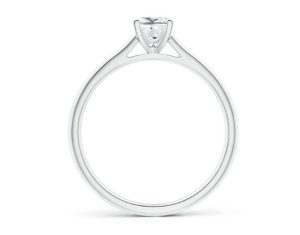
Cathedral Setting: In a cathedral setting, the band of the ring slopes upward, and the diamond is set in a raised position. This style offers a regal and elegant look, and it is ideal for those who want a traditional and timeless ring.
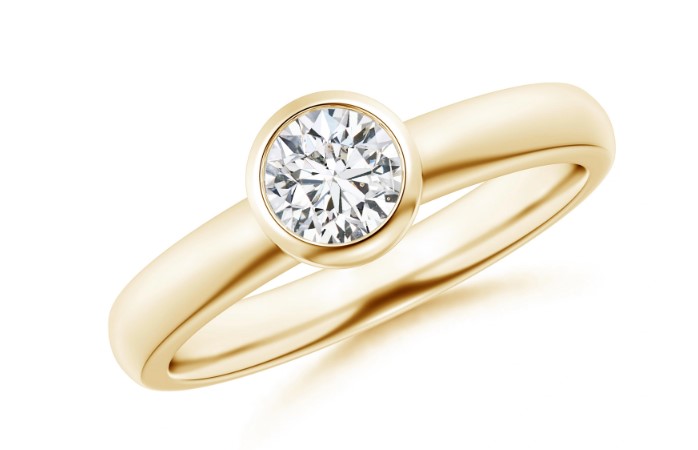
Bezel Setting: In a bezel setting, the diamond is surrounded by a thin metal rim that holds it in place. This style offers a modern look, and it is ideal for those who want a unique and contemporary ring. If you feel like you’ve seen bezel-set rings on the rise, you’re right—in addition to providing unparalleled protection, they have a sleek finish unlike any other setting.
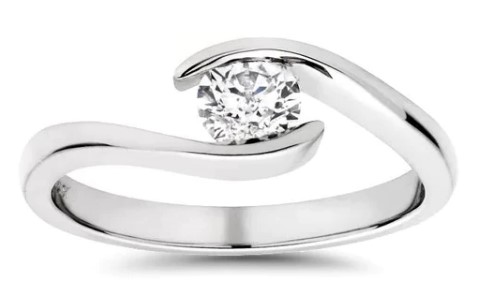
Tension Setting: In a tension setting, the diamond is held in place by the pressure of the band, which grips the diamond from opposite sides. This style offers a bold and modern look, and it is ideal for those who want a ring that stands out.
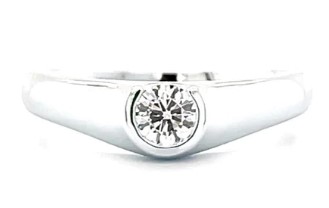
Flush Head: The flush head is a subtle and understated option for solitaire diamond engagement rings. In a flush head, the diamond is set into the band of the ring so that it sits flush with the surface of the metal. The flush head creates a clean and minimalist look that is perfect for those who prefer a simple and timeless design.
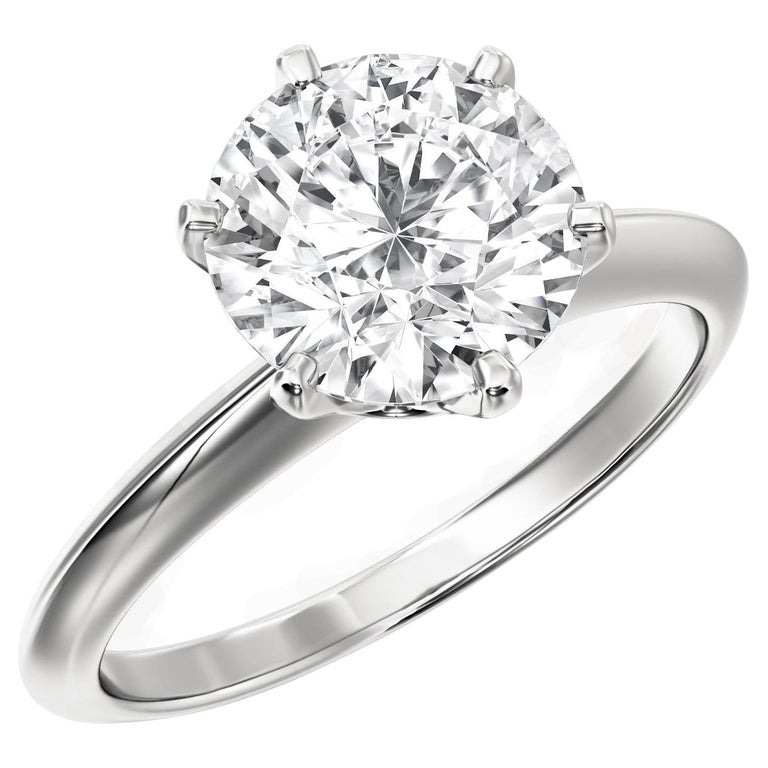
Prong Setting: In a prong setting, the diamond is held in place by the prongs that grip the diamond from the sides. This style offers a classic and traditional look, and it is ideal for those who want a ring that is timeless.
Prongs
Prongs are the metal claws that hold the diamond in place and attention to detail is crucial in the seemingly-simple prong setting. The diamond should sit flush with the prongs and the prongs should not cover the diamonds table facet. The beauty of a properly crafted prong setting is that it showcases the diamond beautifully. Prongs that have been crafted incorrectly can make a diamond look small and gaps may compromise the comfort and security of the ring. These are the most visible and popular setting style and have more design options than you might have first noticed. They can be rounded, pointed, flat, or v-shaped.

The Benefits Of A Prong Setting
- Prong settings use less metal than other settings (such as a bezel setting, for example) this, combined with their open structure allows light to flood the diamond for a fantastic sparkle.
- Their popularity has led esteemed jewelry designers to create unique prong settings in a stunning array of styles.
- Prong settings can be adjusted to elevate the diamond or set lower to suit your taste. This is a skill of experienced jewelers that allows for slight customization.
- Classic prong settings are easy to clean; you can care for your jewelry at home with ease.
- Prong settings have proven themselves to be an elegant and sophisticated choice for decades.
- Prong settings are suitable for all diamond shapes.
Prong Setting Considerations
- A high prong setting may catch on clothing and snag through plastic gloves. This can be solved by lowering the diamond in the setting. For those with hands-on careers/duties who wish to wear their ring every day, consider the height of the setting from a lifestyle perspective.
- Prongs can leave the girdle of the diamond exposed which can result in chipping. Avoid this by removing your ring during activities that can cause heavy wear.
- Certain prong styles, particularly those that are designed to sit higher than the diamond, can scratch. New mothers and nursery workers may choose to remove their ring to avoid accidental scratches to children. This is rare, but is worth considering.
Types Of Prong Setting
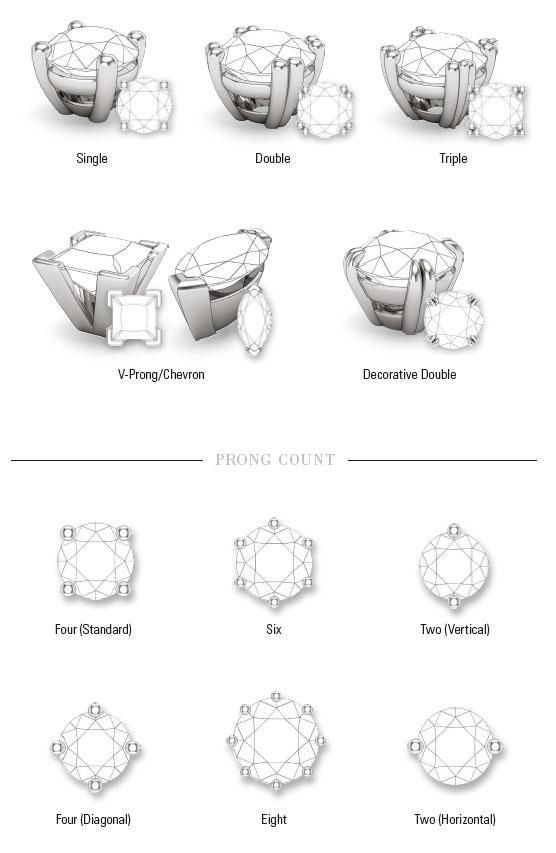
- Four Prongs: Four prongs are the most common type of prongs used for solitaire engagement rings. As the name suggests, there are four prongs that hold the diamond in place, and they are positioned at equal distances. This prong style is ideal for round cut diamonds, as it maximizes the amount of light that enters the stone.
- Six Prongs: Six prongs are similar to four prongs, except that there are six prongs holding the diamond in place. This style offers more security and stability to the diamond, making it ideal for larger stones.
- Double / Triple Prongs: Multiple prongs may take a rounded or pointed appearance. They give the illusion of slimmer claws and are often used in split shank designs.
- Rounded Prongs: Rounded prongs are ideal for delicate stones, as they offer a secure grip without putting too much pressure on the stone. This style is popular for its simple and classic look.
- Pointed Prong: A pointed prong gives a claw-like appearance, hence the popular nomenclature. Pointed prongs are sleek and elegant, creating a steam-line effect.
- Flat / Tab Prong: Another distinctive look is the square or “tab” prong style. Not as popular as round or claw, a squared off prong can add a unique touch to the right ring design.
- V-Prongs: V-prongs are a variation of four prongs where the prongs are shaped like a V. This style is popular for its unique and modern look, and it is ideal for princess cut or square-shaped diamonds.
Choosing the right prong and setting style for a solitaire diamond engagement ring is a matter of personal preference. Each style offers its own unique look and feel, and it is important to consider the diamond cut, size, and shape when selecting the prong and mounting style. Whether you prefer a classic and traditional look or a modern and sleek style, there is a perfect solitaire engagement ring waiting for you.
Visit Diamonds by Monet for all your engagement ring needs, or you can contact us with any questions or custom designs you would love to have made!