
custom design, Cut, diamond education, diamonds, engagement, jewelry education, rings
Unique Diamond Cuts for Engagement Rings: History, Style & What Sets Them Apart

Jul
When it comes to choosing the perfect engagement ring, the cut of the center stone is one of the most important decisions you’ll make. While round brilliant and princess cuts remain timeless favorites, many couples today are turning to unique and vintage-inspired cuts to express their individuality. These alternative diamond shapes often carry rich histories, distinct personalities, and an undeniable charm that sets them apart.
Let’s explore some of the most distinctive center stone cuts—where they come from, what makes them special, and why they might be the perfect fit for your forever ring.
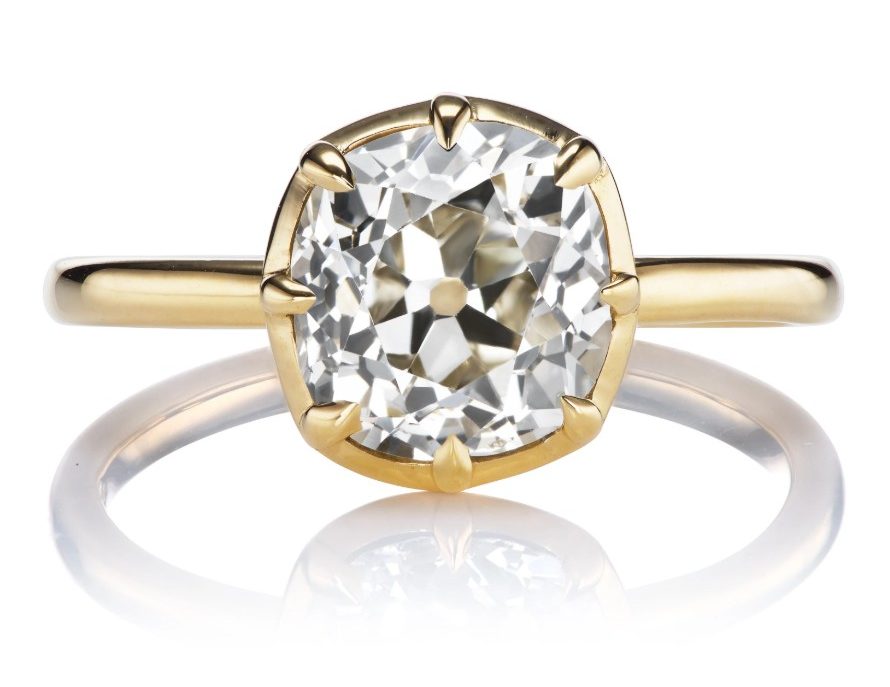
1. Old Mine Cut: The Vintage Romantic
History:
Originating in the 1700s and popular through the early 1800s, the Old Mine Cut is one of the earliest styles of diamond cutting. It was hand-cut by candlelight, giving it a soft, warm sparkle that modern cuts can’t quite replicate.
Distinct Features:
-
Squarish shape with rounded corners
-
A small table and high crown
-
Deep pavilion and open culet (visible from the top)
Why It’s Unique:
Old Mine Cuts have an unmistakable antique vibe. They’re perfect for those drawn to heirloom pieces or vintage settings. Because they’re hand-cut, no two are exactly alike, adding to their uniqueness.

2. Rose Cut: Understated & Ethereal
History:
First developed in the 1500s, the Rose Cut was especially popular in the Georgian and Victorian eras. Its name comes from the shape, which resembles the petals of a rosebud.
Distinct Features:
-
Flat bottom with a domed top covered in triangular facets
-
No pavilion, which makes it sit low on the finger
-
Soft, diffused sparkle rather than brilliance
Why It’s Unique:
Rose Cuts offer a subtle, romantic shimmer and a distinctive old-world charm. They’re ideal for minimalist brides or those who prefer antique aesthetics over intense sparkle.

3. Asscher Cut: The Deco Darling
History:
Patented in 1902 by the Asscher Brothers of Holland, this cut rose to fame during the Art Deco era of the 1920s and has enjoyed a strong resurgence in recent years.
Distinct Features:
-
Square shape with deeply cut corners (almost octagonal)
-
Step-cut facets that create a hall-of-mirrors effect
-
High crown and small table
Why It’s Unique:
Bold and geometric, the Asscher Cut is for someone with an appreciation for symmetry, architecture, and vintage glamour. Its clarity and cut demand a high-quality diamond, making it a refined, elegant choice.

4. Hexagon Cut: Geometric & Modern
History:
A newer entrant in the engagement ring world, the Hexagon Cut draws inspiration from Art Deco geometry but has gained popularity more recently through custom and bespoke designers.
Distinct Features:
-
Six-sided geometric outline
-
Can be brilliant or step-cut
-
Often custom-cut for uniqueness
Why It’s Unique:
The Hexagon Cut is a striking choice for anyone seeking a modern yet structured look. It looks stunning as a solitaire or surrounded by custom halos and accent stones, giving the ring an architecturally bold presence.
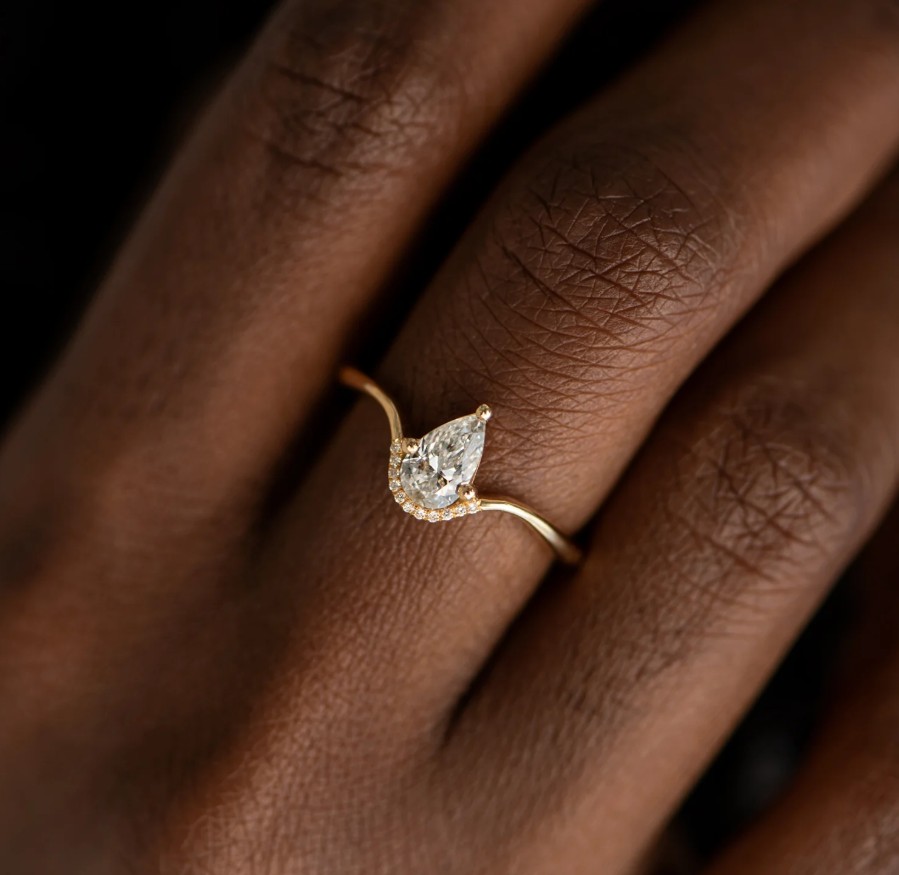
5. Pear Cut: The Tear of Joy
History:
The Pear Cut (or Teardrop) dates back to the 1400s when it was created by Flemish polisher Lodewyk van Bercken, the same innovator who invented the diamond polishing wheel.
Distinct Features:
-
A hybrid of round and marquise cuts
-
One rounded end and one pointed tip
-
Elegant, elongated silhouette
Why It’s Unique:
The Pear Cut adds length to the finger and offers a graceful, asymmetrical flair. Whether worn with the point up or down, it feels both traditional and avant-garde.

6. Shield Cut: Bold & Rare
History:
Shield Cuts were originally used in side stones for Art Deco rings but have recently been reimagined as striking center stones in modern bespoke settings.
Distinct Features:
-
Angular, symmetrical shape resembling a medieval shield
-
Typically step-cut
-
Strong lines and a commanding presence
Why It’s Unique:
With its unusual outline and powerful visual impact, the Shield Cut is ideal for those who want a truly non-traditional ring that feels custom and bold.
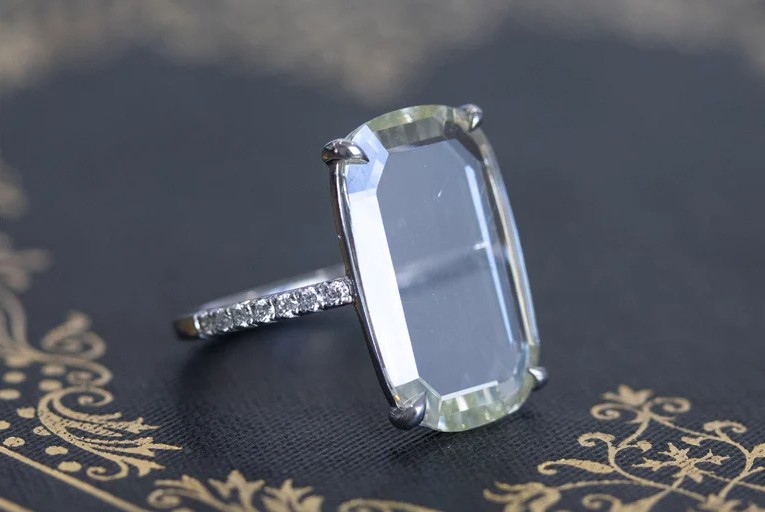
7. Portrait Cut: Crystal-Clear & Antique
History:
Popular during the 17th and 18th centuries in Indian and European jewelry, Portrait Cuts were often set over miniature paintings or hairwork in mourning jewelry.
Distinct Features:
-
Thin, flat, and usually bezel-set
-
No pavilion or brilliance—meant to show clarity and transparency
-
Often used with antique diamonds or rose quartz
Why It’s Unique:
This cut offers a quiet sophistication and a historical whisper. Its minimal faceting allows for a window-like effect, creating a reflective and artistic quality.

8. Old European Cut: The Early Sparkler
History:
The Old European Cut emerged in the late 1800s as a successor to the Old Mine Cut and was the most common diamond cut from the late Victorian through the Edwardian and Art Deco eras (1880s–1930s). It represents the bridge between antique hand-cut styles and modern machine precision.
Distinct Features:
-
Round shape with a high crown and small table
-
Chunky, symmetrical facets designed for candlelight
-
Open culet (a visible flat point at the bottom of the stone)
-
Less brilliance than modern cuts but offers a softer, romantic glow
Why It’s Unique:
The Old European Cut is prized for its historical character and subtle sparkle. Unlike today’s brilliant cuts that maximize fire under LED lights, these diamonds were made to glow under gas lamps and candles. Perfect for lovers of antique jewelry, it’s an ideal choice for those seeking a timeless vintage look with true heritage.

Choosing Your Unique Cut
Choosing a unique center stone cut is about more than looks—it’s about telling your story. Whether you’re drawn to the nostalgia of an Old Mine Cut, the edgy modernism of a Hexagon, or the mysterious beauty of a Rose Cut, these rare and romantic styles allow you to create an engagement ring that’s as one-of-a-kind as your love.
If you’re considering a unique center stone, make sure to work with a jeweler who understands these specialty cuts. At Diamonds by Monet, we specialize in sourcing and custom-designing engagement rings that highlight your personal style.
Final Thoughts
Modern couples are no longer bound by tradition when it comes to engagement rings. With so many historical and custom diamond cuts available, you can find a shape that reflects your personality, values, and sense of style. A ring with a story behind its cut will never go out of fashion—it only becomes more meaningful over time.
Ready to explore unique center stones for your dream ring?
Visit us in store or book a consultation to create a custom ring with your own unique center stone.